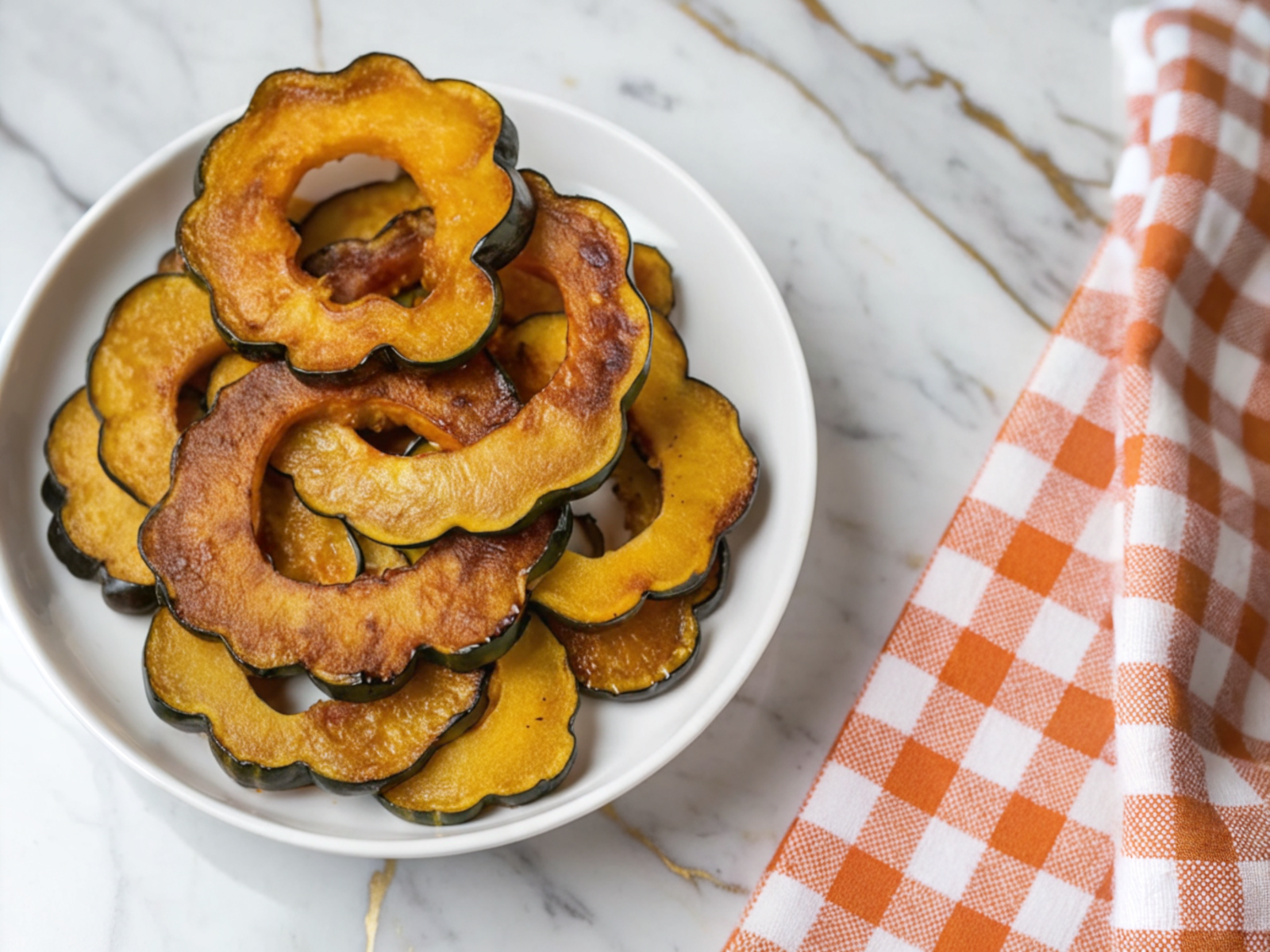
Fall brings cooler weather and a craving for warm, comforting foods that fill your kitchen with sweet aromas. Maple Roasted Acorn Squash delivers all of that and more. This recipe transforms a simple vegetable into a stunning side dish that works for weeknight dinners and holiday gatherings alike.
You need only a handful of ingredients and about an hour of hands-off roasting time. The squash becomes tender and caramelized while the maple glaze adds a sweet finish that your whole family will love. I started making this years ago when I wanted something healthier than candied yams but still special enough for Thanksgiving.
The best part? You don’t need advanced cooking skills. Cut the squash, add the glaze, and let your oven do the work. Your house will smell amazing and your table will look like you spent hours in the kitchen.
Why Maple Roasted Acorn Squash Works Every Time
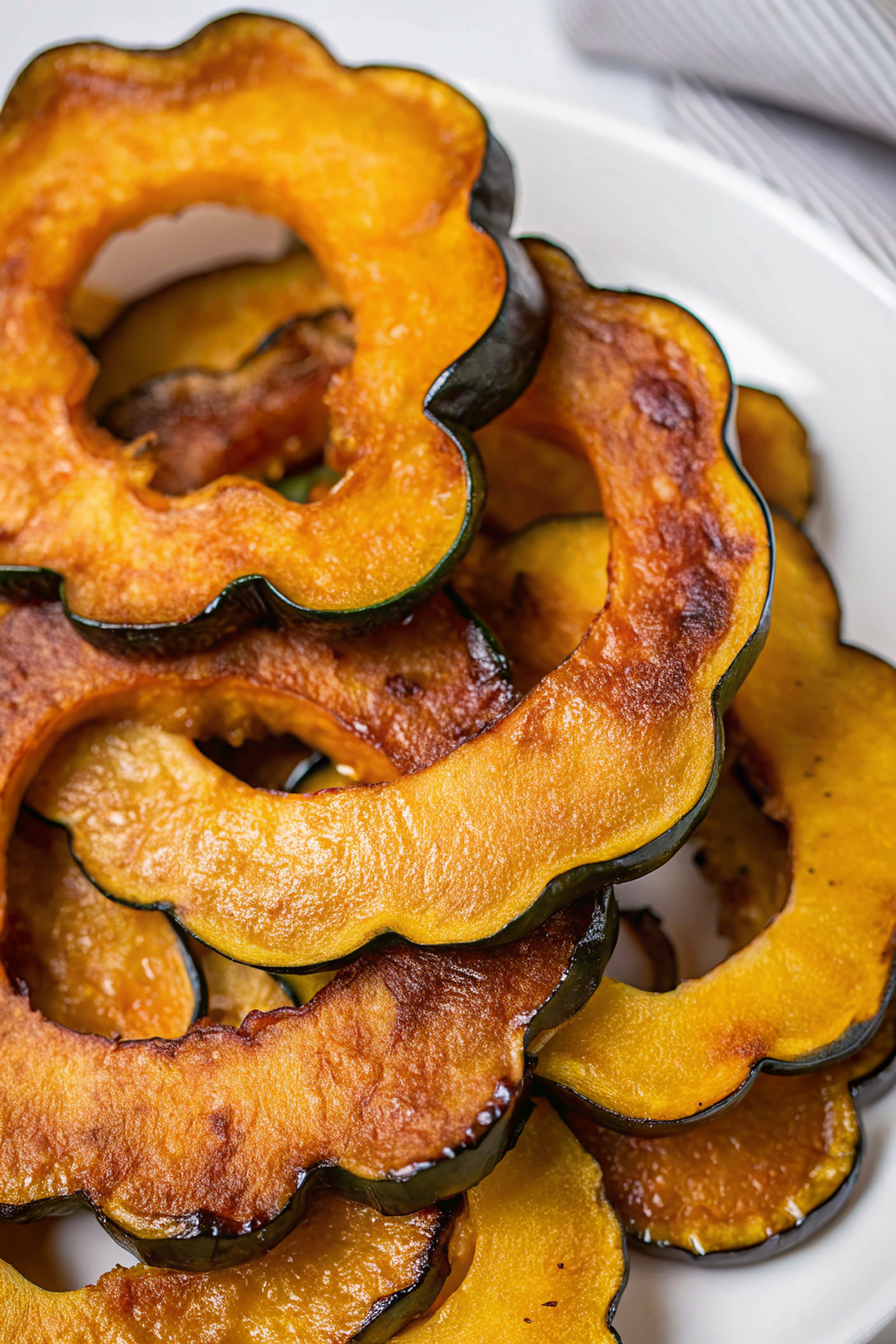
This Maple Roasted Acorn Squash recipe wins because it balances sweet and savory flavors without tasting like dessert. The natural earthiness of acorn squash pairs beautifully with pure maple syrup. You get tender flesh that melts in your mouth with crispy, caramelized edges that add texture.
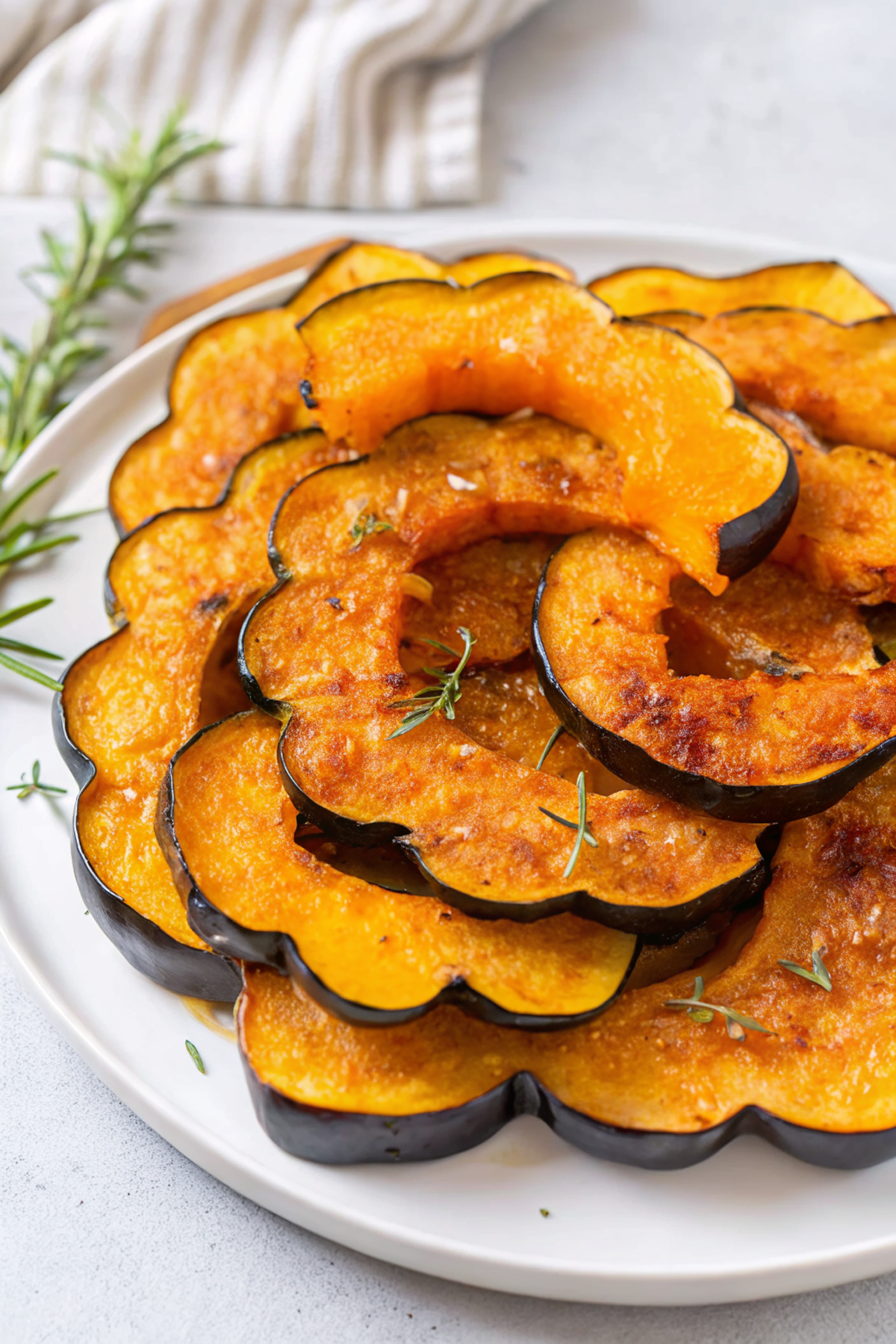
Acorn squash holds its shape while roasting, which makes for a beautiful presentation. The natural ridges create visual interest on your plate. Each half becomes an edible bowl that you can stuff with additional toppings or serve as is. The maple glaze seeps into every curve and creates pockets of sweetness.
Health-conscious families appreciate this recipe because acorn squash packs vitamins A and C, fiber, and potassium. You get nutrients without sacrificing flavor. The addition of butter adds richness while maple syrup provides natural sweetness without refined sugar. This combination makes Maple Roasted Acorn Squash a smart choice for anyone looking to eat better without feeling deprived.
Ingredients You’ll Need
Gathering your ingredients before you start makes the cooking process smoother. Each component plays a specific role in creating the perfect Maple Roasted Acorn Squash.
- Acorn squash – Look for squash that feels heavy for its size with dark green skin and orange patches, which indicates ripeness
- Pure maple syrup – Use real maple syrup instead of pancake syrup for authentic flavor and better caramelization
- Butter – Adds richness and helps the glaze coat the squash evenly, use unsalted to control sodium
- Salt – Enhances the natural sweetness of the squash and balances the maple flavor
- Black pepper – Provides a subtle kick that prevents the dish from tasting too sweet
- Cinnamon – Optional but recommended for warmth and depth, especially during fall and winter
- Fresh thyme or rosemary – Adds an herbal note that complements the sweetness beautifully
Tools You’ll Need
- Sharp chef’s knife for cutting through the tough squash skin
- Large cutting board with a damp towel underneath to prevent slipping
- Sturdy spoon or ice cream scoop for removing seeds
- Rimmed baking sheet to catch any drips from the glaze
- Parchment paper or aluminum foil for easy cleanup
- Small mixing bowl for combining the maple glaze ingredients
- Pastry brush or spoon for applying the glaze
- Oven mitts for safe handling of hot pans
Step-by-Step Instructions for Perfect Maple Roasted Acorn Squash
Follow these steps and you’ll have perfectly roasted squash every time. The process requires minimal active time.
- Preheat your oven to 400°F and line a baking sheet with parchment paper for easy cleanup.
- Wash the acorn squash under cool water and pat dry with a kitchen towel.
- Place the squash on a cutting board and carefully slice off the stem end to create a stable base.
- Cut the squash in half from top to bottom using a rocking motion with your sharp knife.
- Scoop out the seeds and stringy pulp using a spoon, creating a smooth cavity in each half.
- Score the flesh in a crosshatch pattern using a knife, which helps the glaze penetrate deeper.
- Combine melted butter, maple syrup, salt, pepper, and cinnamon in a small bowl.
- Brush the maple mixture generously over the cut surfaces and into the cavity of each squash half.
- Place the squash halves cut-side up on your prepared baking sheet.
- Roast for 35 to 45 minutes until the flesh feels tender when pierced with a fork.
- Baste the squash with accumulated pan juices halfway through cooking for extra flavor.
- Remove from the oven when the edges turn golden brown and caramelized.
- Let the Maple Roasted Acorn Squash rest for 5 minutes before serving to allow flavors to settle.
Tips for Perfect Results
Small adjustments make a big difference in how your squash turns out. Keep these tips in mind for the best Maple Roasted Acorn Squash.
Choose the right squash. Select acorn squash that feels heavy and has a dull skin rather than shiny. Shiny skin indicates the squash was picked too early. A ripe squash will have some orange coloring on the green skin.
Don’t skip scoring the flesh. Cutting a crosshatch pattern into the squash flesh before adding the glaze allows the maple mixture to soak in deeper. This creates more flavor throughout rather than just on the surface.
Watch the edges during roasting. The thin edges of acorn squash brown faster than the thicker center. If the edges start to darken too much before the center softens, tent the squash with foil for the remaining cooking time.
Test for doneness properly. Insert a fork into the thickest part of the squash. The fork should slide in easily with little resistance. The flesh should feel creamy but not mushy. Undercooked squash tastes starchy and unpleasant.
Reserve the seeds. Don’t throw away those seeds. Rinse them, toss with oil and salt, then roast at 350°F for 15 minutes for a crunchy snack similar to pumpkin seeds.
Serving Suggestions and Variations
Maple Roasted Acorn Squash works as a side dish or a base for creative variations. The mild flavor pairs well with many main courses.
Serve this alongside roasted chicken, pork chops, or a holiday turkey. The sweetness balances savory proteins beautifully. For a vegetarian main course, stuff the roasted squash halves with quinoa, cranberries, and pecans. Add crumbled goat cheese or feta for tang that cuts through the sweetness.
Try different glaze variations by swapping maple syrup for honey or brown sugar. Add a pinch of nutmeg or ginger for different flavor profiles. Drizzle with balsamic glaze before serving for a sweet-tart contrast. Sprinkle with toasted pecans or walnuts for crunch.
For a savory version, skip the maple syrup and brush with olive oil, garlic, and Italian herbs. The squash takes on whatever flavors you add. You could also try a spicy version with maple syrup, butter, and a pinch of cayenne pepper for heat.
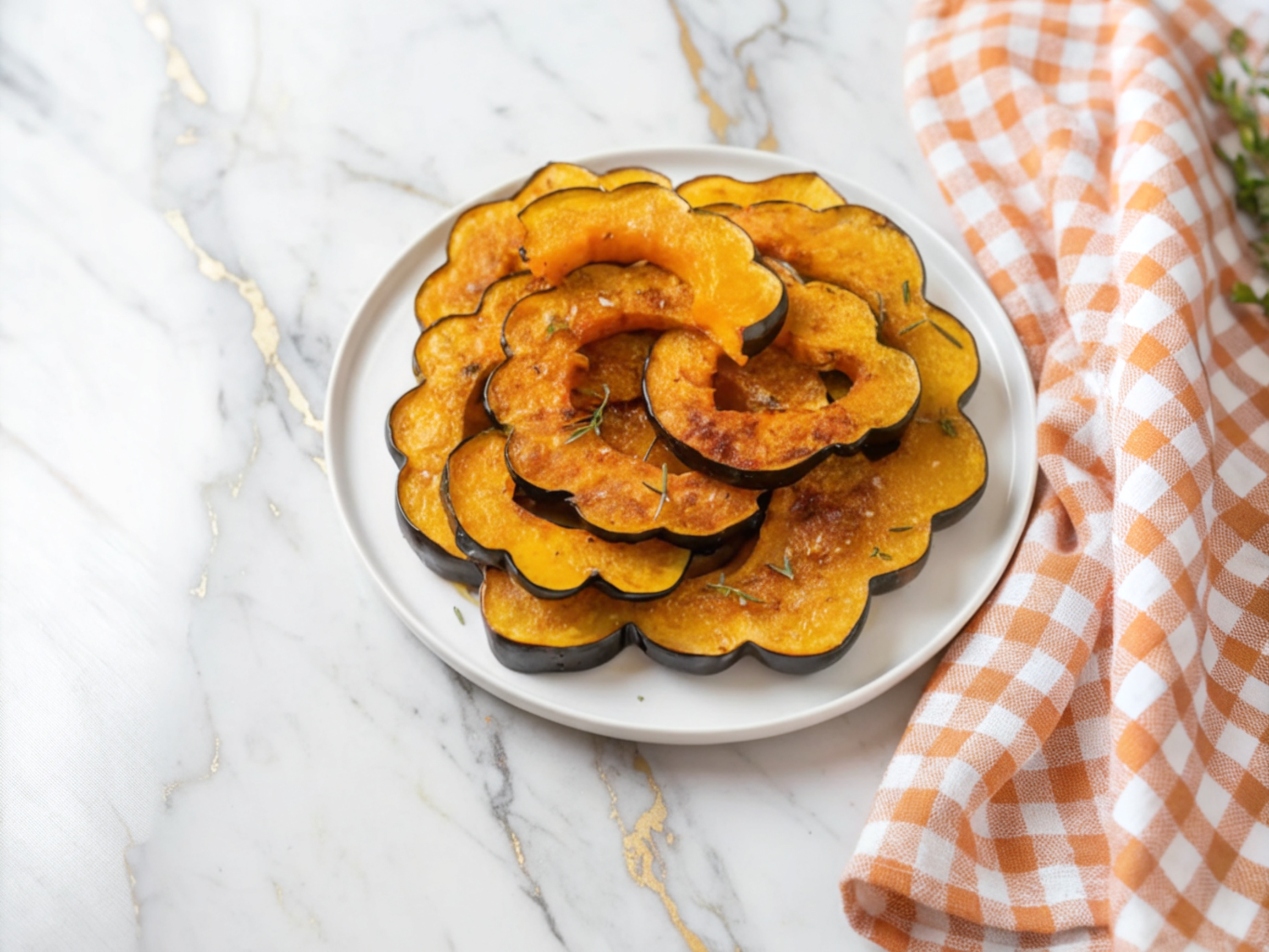
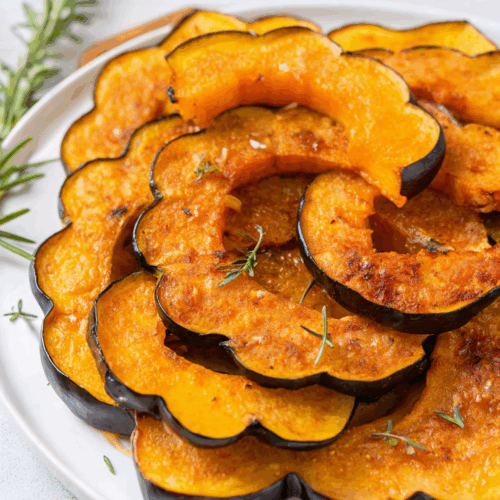
Cut the squash into wedges instead of halves for a different presentation. Wedges cook faster and create more caramelized edges. This works well for meal prep since wedges fit more easily into storage containers.
Storage and Make-Ahead Instructions
Maple Roasted Acorn Squash stores well, which makes it perfect for meal prep or holiday planning. Proper storage maintains the texture and flavor.
Let the roasted squash cool completely before storing. Transfer to an airtight container and refrigerate for up to four days. Reheat in a 350°F oven for 10 to 15 minutes until warmed through. The microwave works too but may make the squash slightly watery.
For make-ahead preparation, cut and seed the squash up to two days before roasting. Wrap the halves tightly in plastic wrap and refrigerate. Apply the maple glaze just before roasting for the best results. You can also prepare the glaze mixture and store it separately in the refrigerator.
Freezing works but changes the texture slightly. The squash becomes softer after thawing. If you want to freeze it, roast the squash completely, let it cool, then wrap each half individually in plastic wrap and aluminum foil. Freeze for up to three months. Thaw overnight in the refrigerator before reheating. The flavor stays good but expect a mushier consistency.
For the best texture, eat Maple Roasted Acorn Squash within two days of roasting. The flesh stays firmer and the glaze maintains its shine. Day-old squash still tastes good but loses some of that fresh-from-the-oven appeal.
Frequently Asked Questions
Do I need to peel acorn squash before roasting?
No, you don’t peel acorn squash for this recipe. The skin becomes tender during roasting and you can eat it. Many people scoop out the flesh and leave the skin, but the skin adds fiber and nutrients. Your choice depends on personal preference.
How do I cut acorn squash safely?
Place a damp towel under your cutting board to prevent slipping. Use a large, sharp chef’s knife and apply steady pressure rather than sawing. Cut off the stem end first to create a flat base, which stabilizes the squash. Then cut from top to bottom in one smooth motion. If the squash feels too hard, microwave it whole for 2 minutes to soften slightly.
Can I use butternut squash instead?
Yes, butternut squash works well with the maple glaze. The flavor will be slightly sweeter and the texture creamier. Cut butternut squash into rounds or cubes since the shape differs from acorn squash. Adjust cooking time based on the size of your pieces. According to Food Network, different winter squash varieties all respond well to maple roasting.
Why is my Maple Roasted Acorn Squash watery?
Excess moisture happens when you add too much glaze or the squash releases water during cooking. Use a moderate amount of glaze and pour off any accumulated liquid halfway through roasting. Make sure your oven temperature stays at 400°F. Lower temperatures cause the squash to steam rather than roast, which creates more moisture.
What pairs well with acorn squash?
Maple Roasted Acorn Squash complements roasted meats, especially pork and poultry. It also pairs nicely with wild rice, Brussels sprouts, and cranberry dishes. For more ideas on seasonal vegetable pairings, check out Everyday Family Cooking for inspiration on building complete autumn menus.
Nutrition Information
| Nutrient | Amount Per Serving |
|---|---|
| Calories | 180 |
| Total Fat | 6g |
| Saturated Fat | 4g |
| Cholesterol | 15mg |
| Sodium | 200mg |
| Total Carbohydrates | 32g |
| Dietary Fiber | 3g |
| Sugars | 12g |
| Protein | 2g |
| Vitamin A | 20% DV |
| Vitamin C | 25% DV |
| Calcium | 6% DV |
| Iron | 8% DV |
Nutrition information is approximate and based on one half of a medium acorn squash with glaze.
Ready to Make This Recipe?
Maple Roasted Acorn Squash brings seasonal flavors to your table with minimal effort. The combination of tender squash and sweet maple glaze creates a dish that feels special enough for holidays but easy enough for any weeknight. You get nutrition, flavor, and beautiful presentation all in one recipe.
This recipe adapts to your needs whether you want a simple side dish or a stuffed main course. The make-ahead options help with meal planning and busy schedules. Once you master the basic technique, you’ll find yourself making Maple Roasted Acorn Squash throughout fall and winter.
Try this recipe this week and let me know how it turns out. Leave a comment below with your favorite variations or share a photo on social media. Your feedback helps other home cooks and builds our community of food lovers who appreciate simple, delicious meals.
Maple Roasted Acorn Squash
Equipment
- 1 Sharp chef’s knife
- 1 Large cutting board
- 1 Spoon or ice cream scoop
- 1 Rimmed baking sheet
- 1 Parchment paper
- 1 Small mixing bowl
- 1 Pastry brush
Ingredients
- 2 medium Acorn squash heavy for size with dark green skin
- 1/4 cup Pure maple syrup not pancake syrup
- 3 tablespoons Butter unsalted, melted
- 1/2 teaspoon Salt
- 1/4 teaspoon Black pepper freshly ground
- 1/2 teaspoon Cinnamon optional
- 1 tablespoon Fresh thyme or rosemary optional, for garnish
Instructions
- Preheat your oven to 400°F and line a baking sheet with parchment paper for easy cleanup.
- Wash the acorn squash under cool water and pat dry with a kitchen towel.
- Place the squash on a cutting board and carefully slice off the stem end to create a stable base.
- Cut the squash in half from top to bottom using a rocking motion with your sharp knife.
- Scoop out the seeds and stringy pulp using a spoon, creating a smooth cavity in each half.
- Score the flesh in a crosshatch pattern using a knife, which helps the glaze penetrate deeper.
- Combine melted butter, maple syrup, salt, pepper, and cinnamon in a small bowl.
- Brush the maple mixture generously over the cut surfaces and into the cavity of each squash half.
- Place the squash halves cut-side up on your prepared baking sheet.
- Roast for 35 to 45 minutes until the flesh feels tender when pierced with a fork.
- Baste the squash with accumulated pan juices halfway through cooking for extra flavor.
- Remove from the oven when the edges turn golden brown and caramelized.
- Let the Maple Roasted Acorn Squash rest for 5 minutes before serving to allow flavors to settle.